
Tia Chakrapani
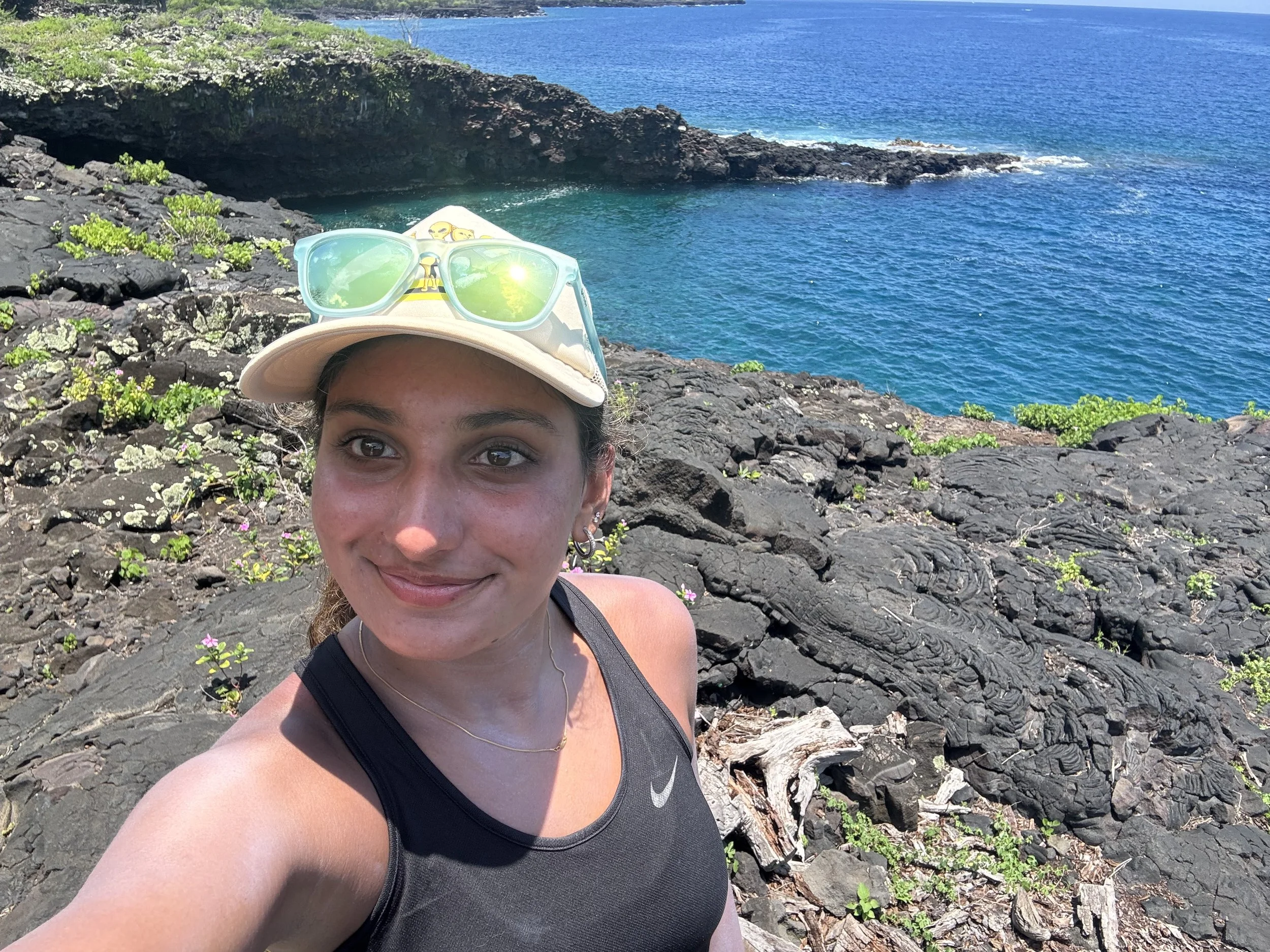
Student Athlete Living with Myasthenia Gravis
I am a student, a competitive swimmer, and someone living with myasthenia gravis.
Swimming shaped my life from a young age, and I competed at the highest level for my age group. When my performance suddenly declined, my strength hid the real problem and delayed my diagnosis.
Myasthenia gravis changed how my body worked and forced me to relearn trust in my strength. Through treatment, surgery, and persistence, I returned to competition and began swimming faster than ever. Along the way, I turned my experience into advocacy, research, and community work.
This site shares my story, my work, and why listening closely to young athletes matters.
Hi, I’m Tia.
Before Diagnosis
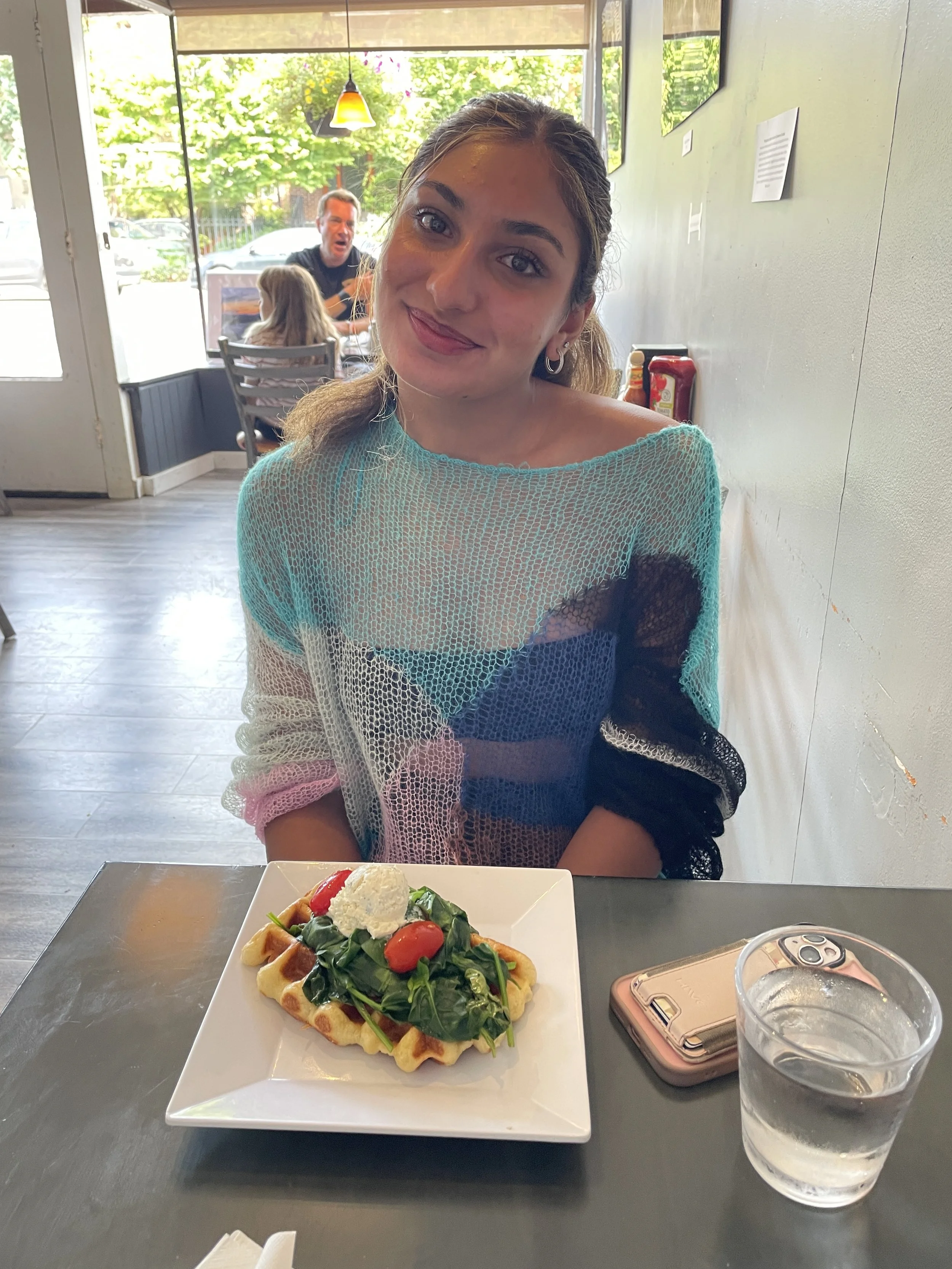
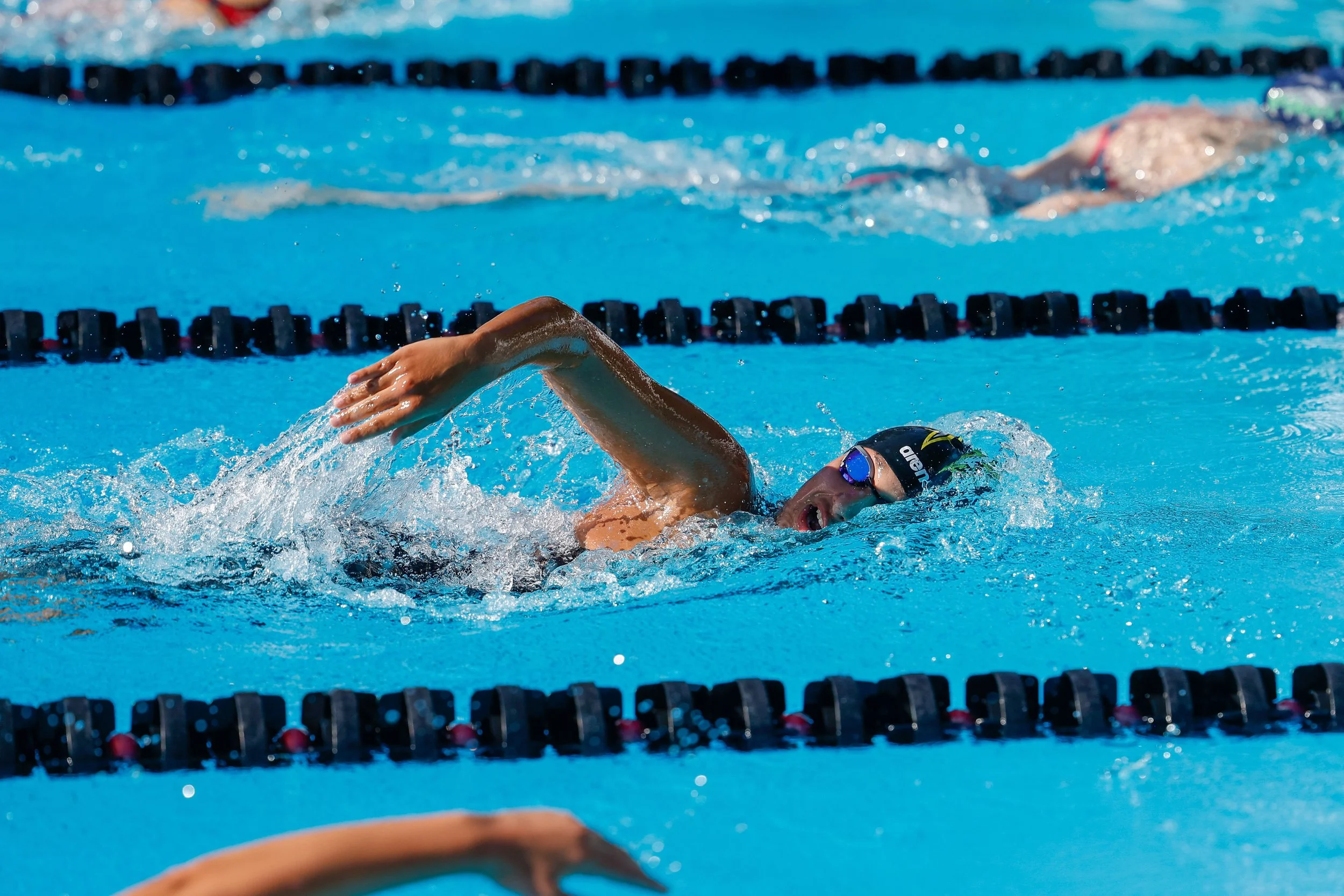
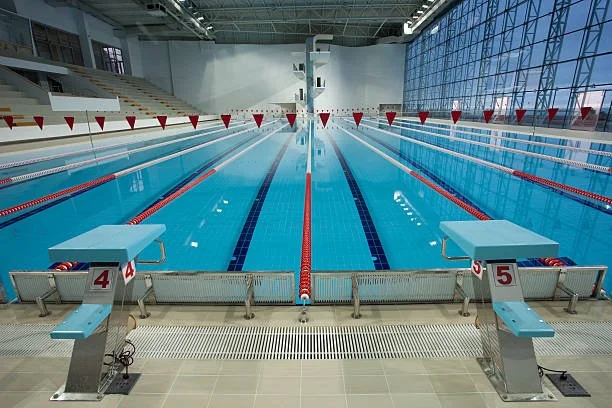
Before my diagnosis, swimming defined my life. I trained year-round and competed at a high level. I was the top 13–14-year-old women’s miler in the West Coast region and won multiple state and regional first-place titles. Distance swimming was my strength. I was known for my endurance and mental toughness.
My days revolved around the pool. I woke up early for morning practices, went straight from school to afternoon training, and spent weekends at swim meets. I measured time in laps and seasons. I learned how to push through discomfort and trust my body to respond.
I balanced intense training with strong academics. I took pride in doing both well. Swimming taught me discipline, focus, and how to set long-term goals. When I worked harder, I got faster. Progress felt predictable and earned.
The water was where I felt most in control. My body did what I asked of it. I trusted it completely. I never questioned whether I could finish a race or make it through a practice. Swimming was not just a sport to me. It was my identity.
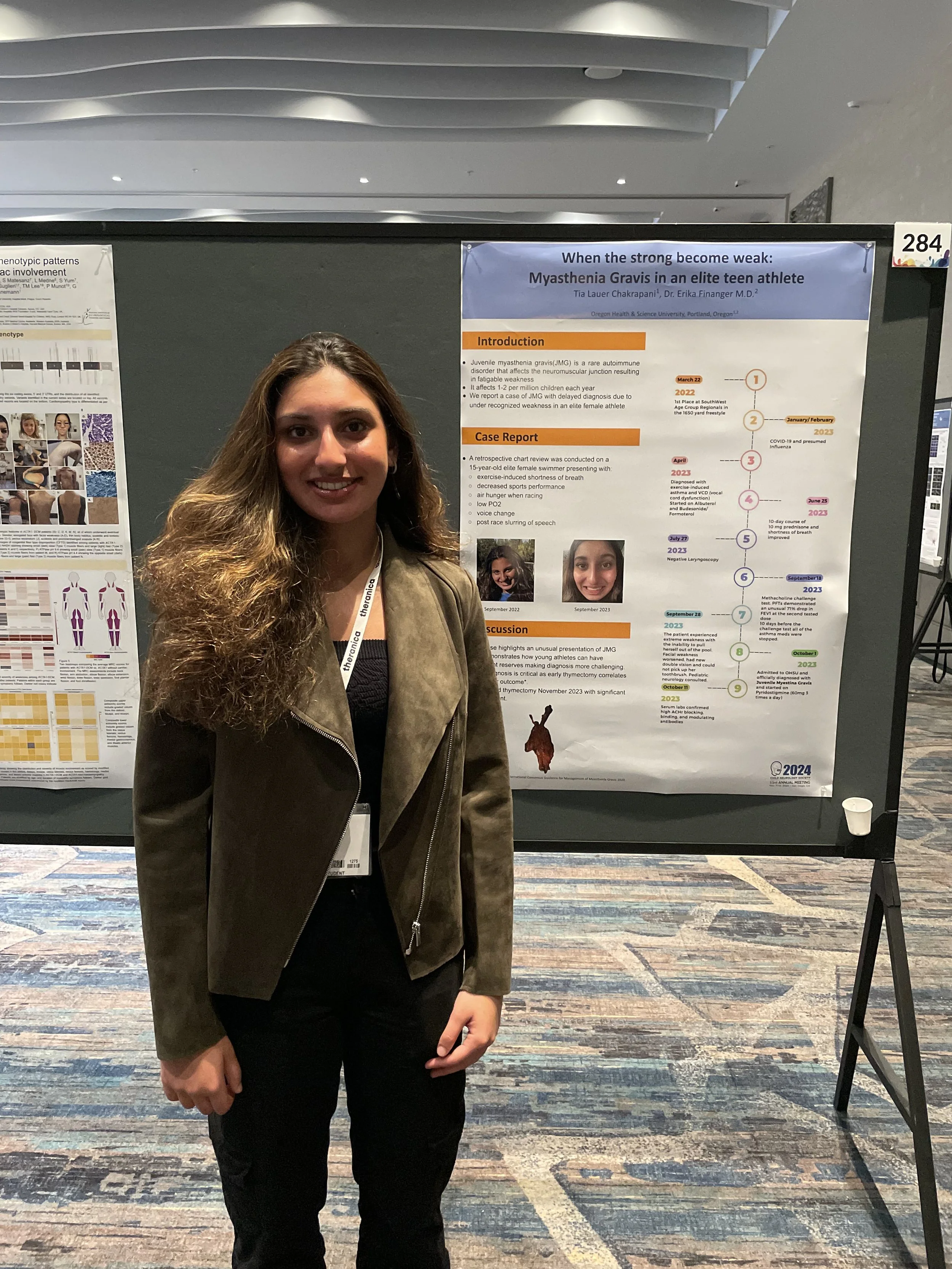
When things began to change, it was subtle at first. In January 2023, after a swim meet, I felt an unfamiliar kind of fatigue and shortness of breath. I assumed I was out of shape or overtrained. I pushed through it the way athletes are taught to do.
The symptoms did not go away. Practices became harder. Races felt unsafe. I struggled to climb out of the pool after finishing. Teammates and friends had to help pull me up. This was not normal for someone who had built her life around endurance.
When Things Changed
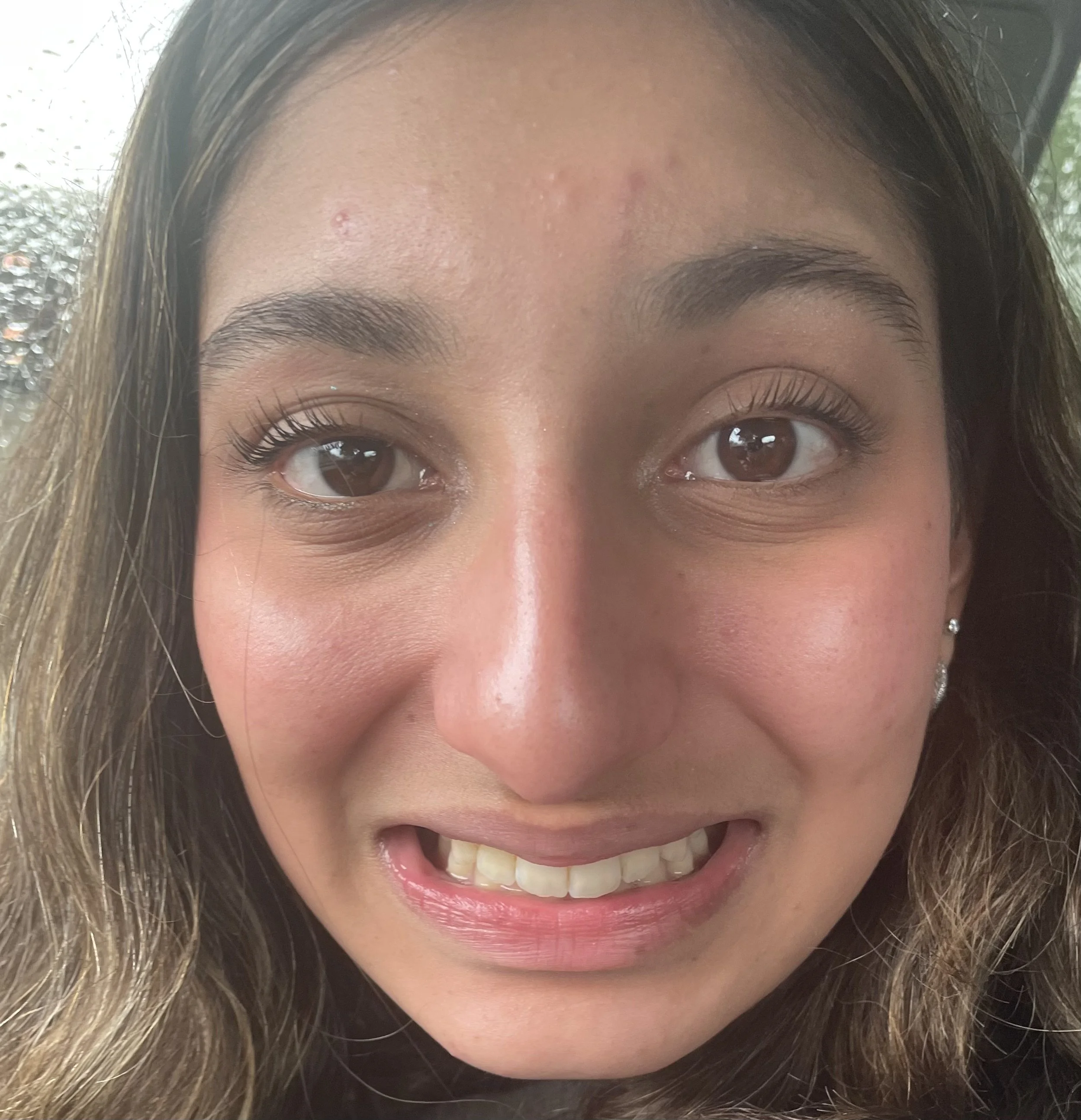
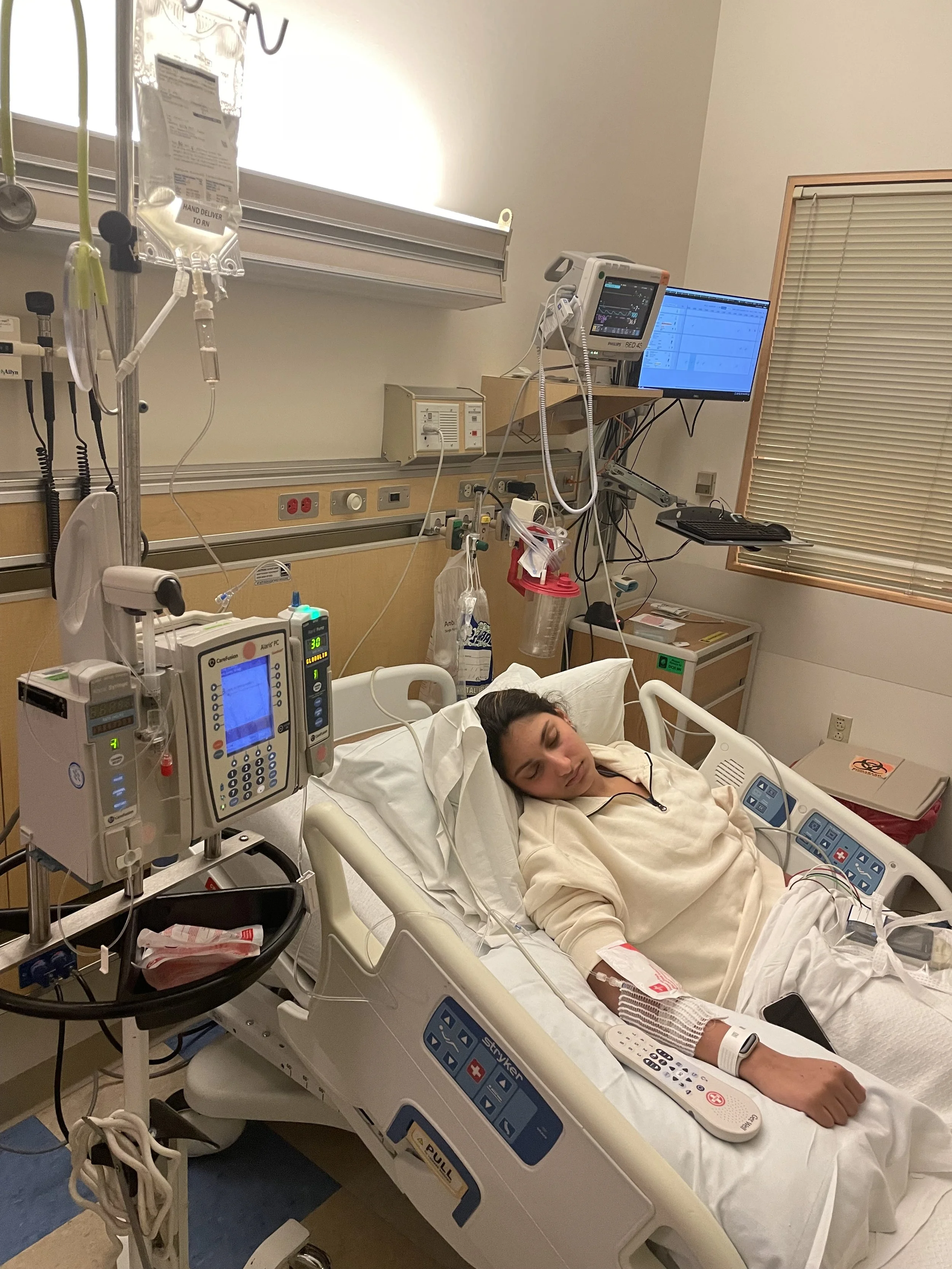
Doctors told me I had anxiety or asthma. I was told stress explained everything. I started questioning my own experience. At the same time, my body continued to weaken. I had trouble lifting my arms, washing my face, and putting my hair up. I lost the ability to smile fully. When I laughed, my face collapsed, and people asked if I was crying.
School became harder. Presentations were exhausting because stress made my symptoms worse. Eventually, I developed double vision. Every day tasks required planning and recovery. Swimming, the place where I once felt safest, became frightening.
I knew something was wrong. I just did not yet have a name for it.
Getting Answers
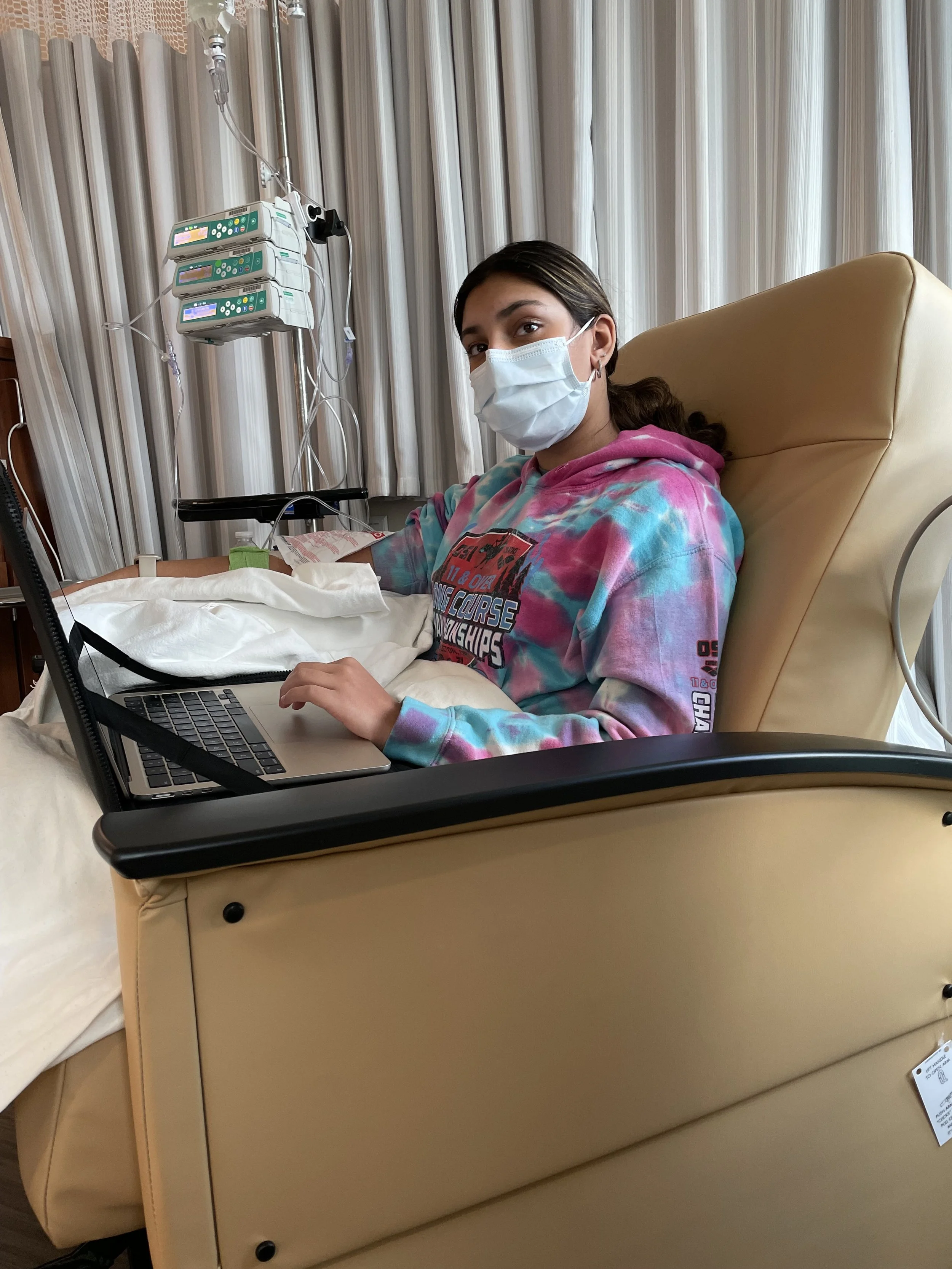
Getting answers took time. For months, my symptoms continued to worsen while I cycled through appointments and explanations that never fully fit. Each visit ended the same way. I was told nothing serious was wrong. I was told to manage stress. I was told to wait.
The turning point came when my symptoms became impossible to ignore. I developed double vision, facial weakness, and severe muscle fatigue. My breathing felt unreliable. My parents finally saw how quickly my strength was disappearing. At that point, it was clear this was not anxiety or asthma.
In October 2023, I was evaluated by a neurologist who immediately recognized the pattern of my symptoms. I was diagnosed with AChR-positive myasthenia gravis. After nearly ten months of uncertainty, my experience finally had a name.
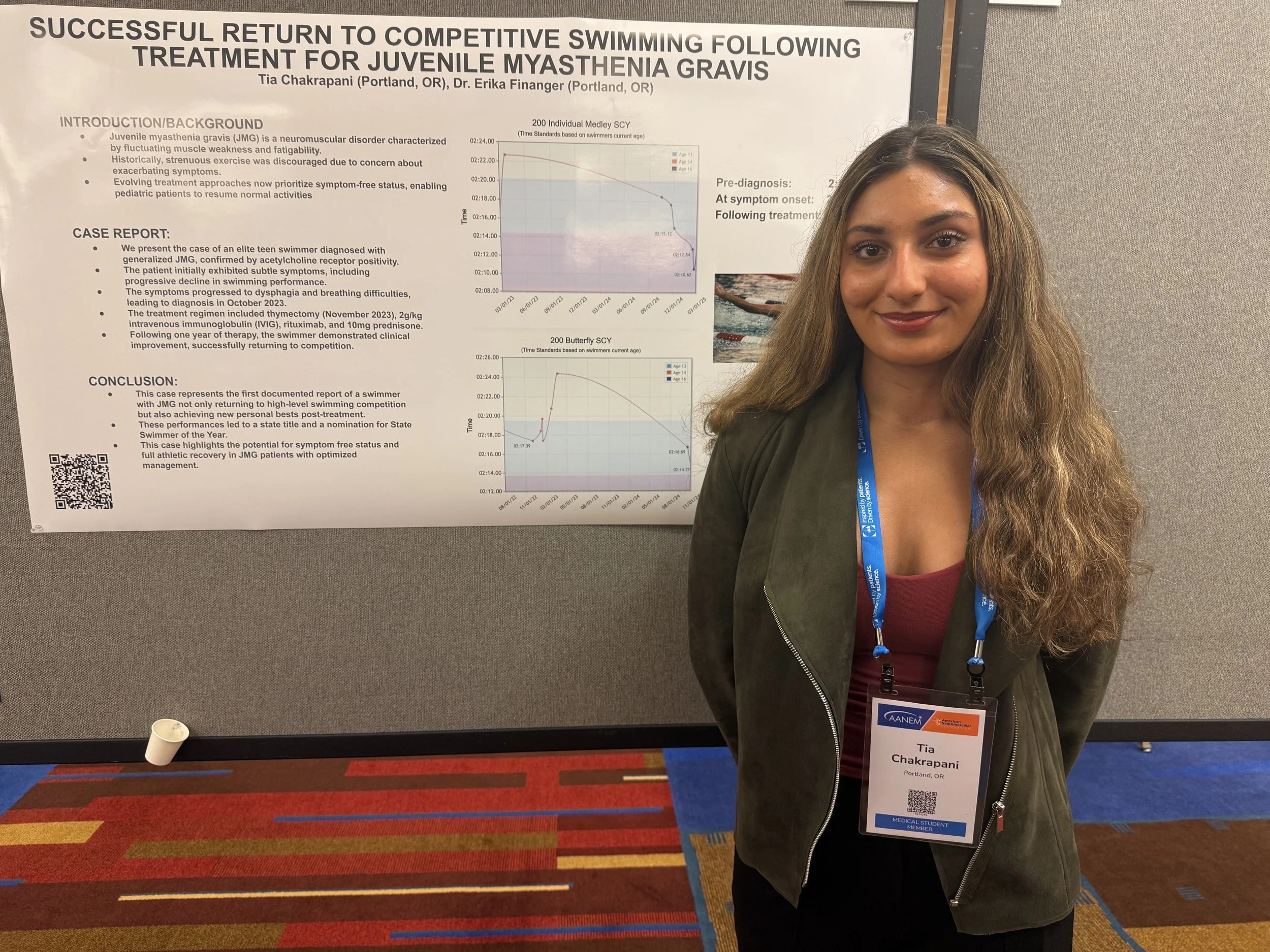
Treatment began right away. I started medication and IVIG, and shortly after, I underwent a thymectomy. The diagnosis did not fix everything overnight, but it changed everything. I finally understood what was happening in my body, and I had a path forward.
Getting answers gave me clarity, relief, and the ability to advocate for myself. It marked the beginning of learning how to live with myasthenia gravis, instead of fighting something I could not explain.
Life now is steady and intentional. Myasthenia gravis is still part of my life, but it no longer controls it. I understand my body in ways I never did before. I plan training, school, and recovery carefully. I listen when my body asks for rest. I know when to push and when to stop.
Returning to swimming took time. I rebuilt strength slowly. I relearned trust. I focused on consistency instead of comparison. Over time, the work added up.
In 2025, I won all of my events at the OSAA State Championships. I was nominated for OSAA Women’s Swimmer of the Year. I am now swimming personal bests and racing faster than I ever have before. These results matter because of what came before them and because of how intentionally I train now.
Life Now
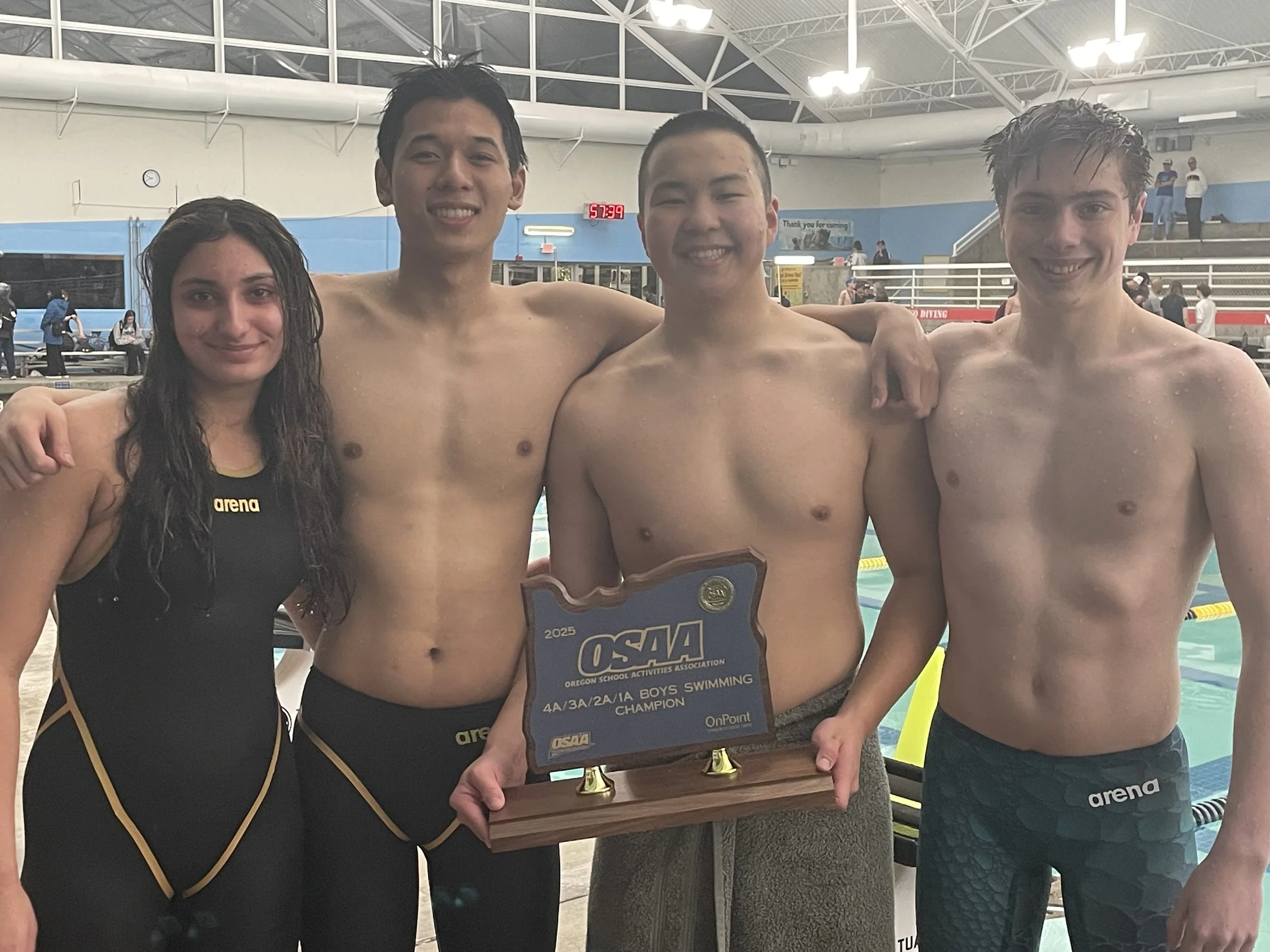
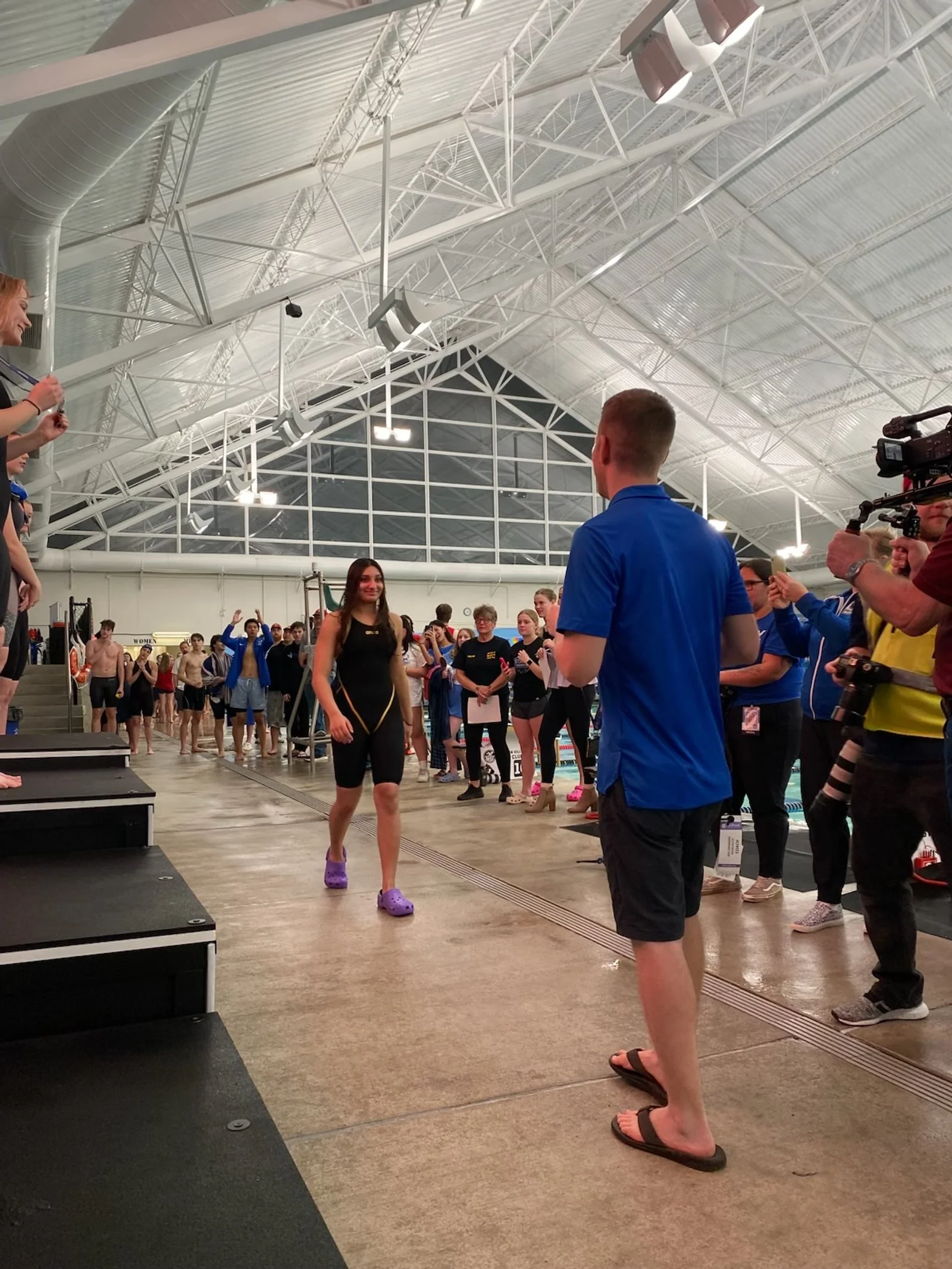
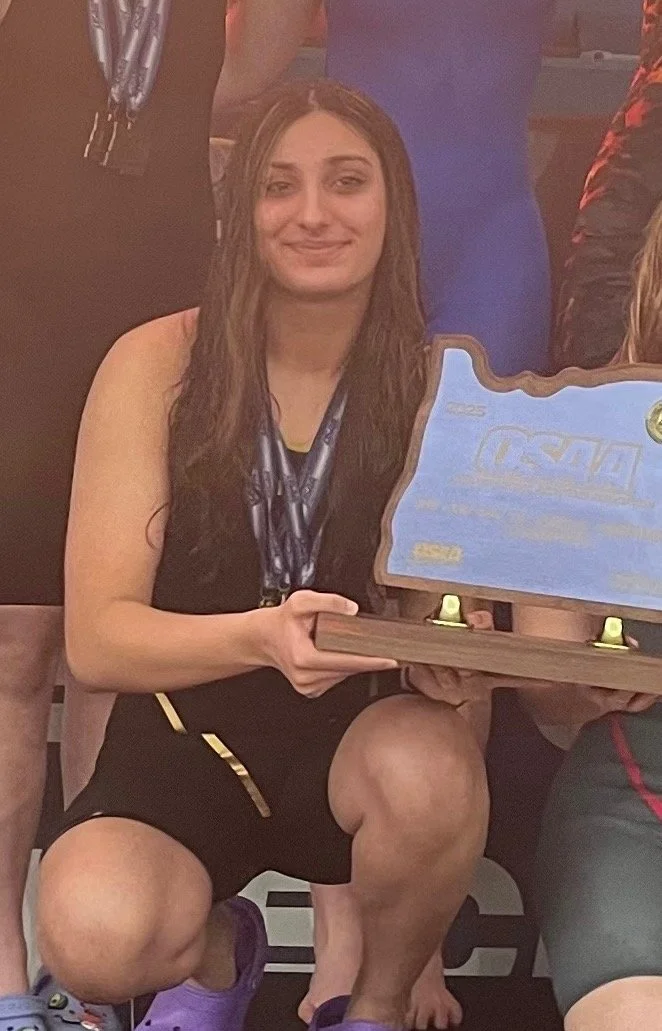
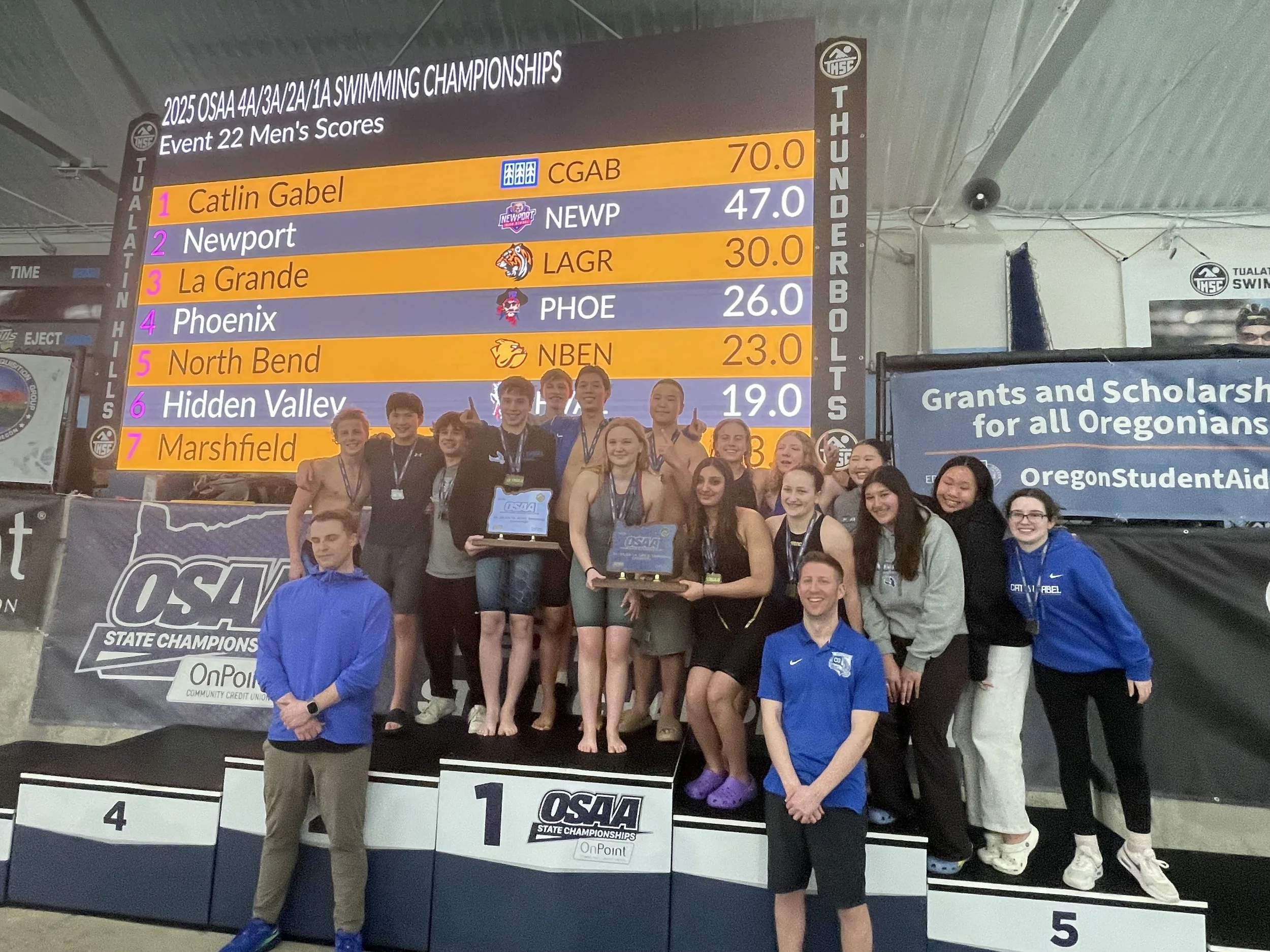
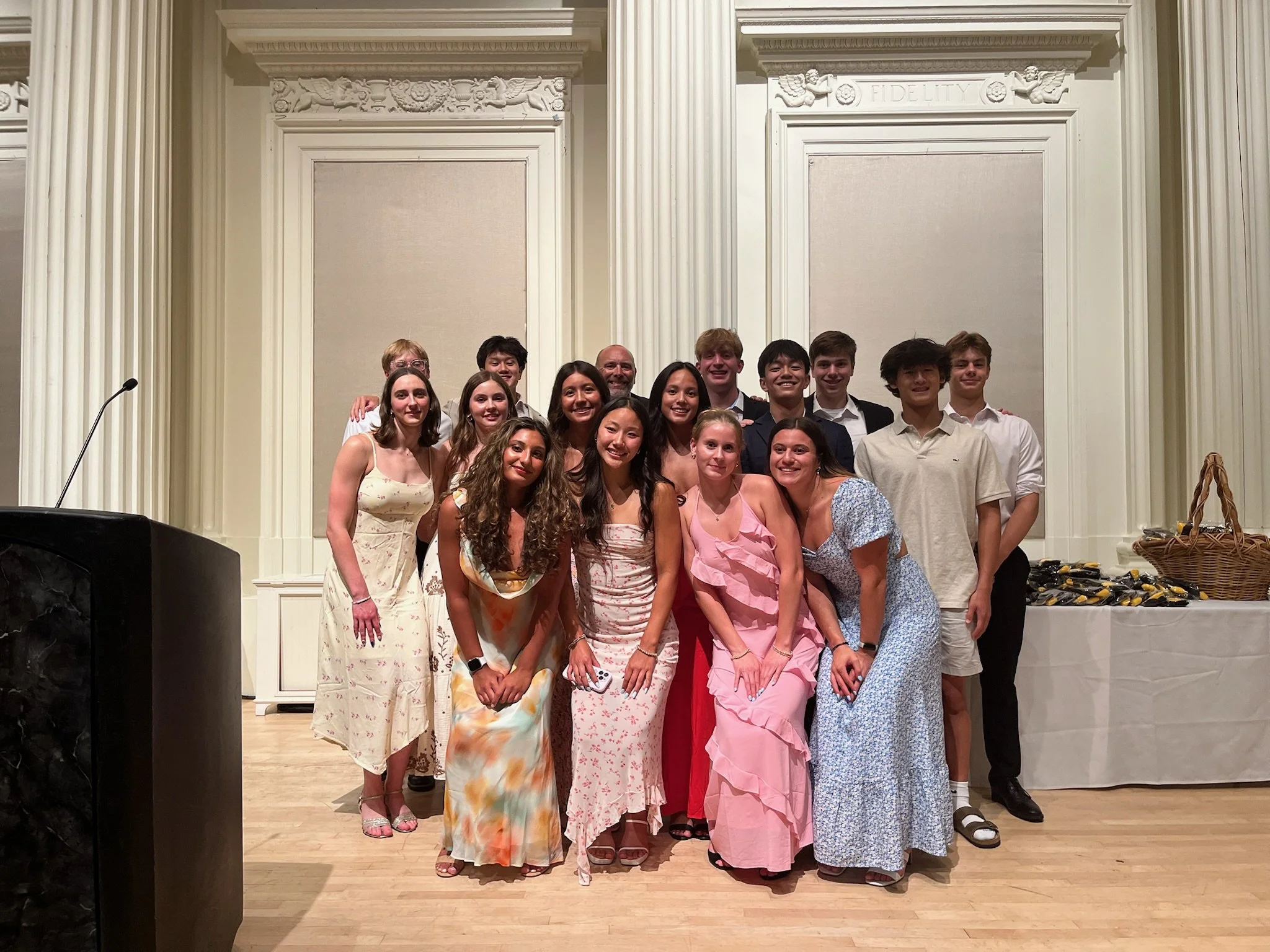
Swimming still requires planning. I schedule around infusions and recovery. Setbacks still happen. But I am no longer afraid of the water. I feel strong and in control during races.
Outside the pool, life feels normal again. I can laugh with my friends without my face collapsing. I can smile in photos. I do not think about every movement or expression.
Those moments matter just as much as medals and times.
Why This Story Matters
Myasthenia gravis is often invisible. People see me swimming, studying, or laughing, but they do not see the daily fatigue, the treatments, or the struggle to keep my body functioning. Many young people and athletes with chronic illness are dismissed or misdiagnosed. Their experiences are minimized or ignored.
I share my story to show what living with an invisible illness really looks like. To give others a window into the challenges and the quiet victories. To challenge bias in healthcare, especially for teens and women whose symptoms are often overlooked.
Progress is not always dramatic. Strength is not always visible. But the small steps forward, returning to the pool, rebuilding endurance, trusting your body, claiming your wins, matter.
By sharing my journey, I hope to inspire awareness, understanding, and support for others navigating chronic illness. And to show that even invisible struggles deserve recognition.
If you want to learn more, explore my work, visit Strong Strides, or follow along on Instagram as I continue sharing life with MG.
Learn More About My Story:
Contact me
Interested in working together? Fill out some info, and I will be in touch shortly. I can’t wait to hear from you!